Bipolar disorder in pregnancy involves periods of mania and depression. Being pregnant can trigger episodes of bipolar disorder.
Managing bipolar disorder in pregnancy
The faster symptoms are recognised, the faster treatment can occur
At COPE, we’re here for you from the very beginning. Access trusted guidance, expert information, and compassionate support as you navigate the journey of trying to conceive.
Coping with loss is deeply personal and painful — COPE offers gentle support, guidance, and understanding to help you navigate this difficult time.
Navigate your pregnancy with confidence using COPE’s expert advice, emotional support, and reliable information tailored for every step of the journey.
Providing you with evidence based information to help prepare and nurture yourself before, during and following birth
Early parenthood can be joyful, challenging and everything in between. COPE provides you with expert guidance and real insights to help you feel seen and supported every step of the way.
Whether you're a partner, friend, or family member, COPE provides guidance and support to help you care for your loved one and yourself through every stage of parenthood.
COPE provides guidance and resources to help workplaces support the emotional wellbeing of expecting and new parents with care and understanding.
COPE offers tools, training, and resources to support health professionals in providing compassionate, evidence-based care to expecting and new parents.
If you're going through a tough time, you're not alone. The COPE Directory is a supportive first step toward finding the right help, close to home and tailored to your needs
At COPE, we believe every parent deserves access to compassionate support and reliable information. Our mission is to raise awareness, reduce stigma, and empower families facing perinatal mental health challenges.
Your support can make a lasting impact. By donating to COPE, you help to provide vital support, resources, and research for families facing perinatal mental health challenges. Together, we can make sure no parent is alone.
Understand when to seek help, how to take the first step of talking to someone, types of support available, plus how to find specialised perinatal mental health support near you.
Bipolar disorder in pregnancy involves periods of mania and depression. Being pregnant can trigger episodes of bipolar disorder.
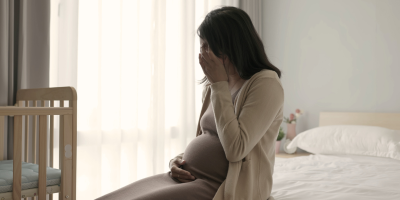
Bipolar disorder used to be called manic depression. It involves periods where you may feel high (mania) and also very low (depression).
Bipolar disorder is much less common than depression and anxiety, affecting between 1-3% of women, but it is very serious and needs to be identified and managed early – especially bipolar disorder in pregnancy.
Significant life events, like becoming pregnant, can trigger episodes of bipolar disorder. If you have a family history, or have experienced bipolar episodes in the past, being pregnant does increase your risk of developing the condition at this time.
These are all good reasons to know about the condition, what to look for and where to go for help.
Symptoms of mania include having lots of energy and being overactive, and little need for sleep. It can also lead people to be less inhibited. This means you may have increased sex drive, spending habits, racing thoughts and speech, more inclined to take risks or be more reckless.
Manic episodes can also affect your thinking. This can cause you to have grandiose ideas (like being famous, invincible, knowledgable about everything), cause hallucinations (seeing or hearing people/things that are not there), have unrealistic thoughts (delusions) or perceive that everyone is against you (paranoia).
For some, this impact on your thinking can lead you to feel excessively worried about the pregnancy or worried about whether you will be a good mother. It is important to view these thoughts in the context of the condition and can explain why you think and feel this way – even though it is not realistic.
Alternatively, depression symptoms are the opposite. Like depression, generally this can lead you to have low energy, low interest and low self-esteem. Your thinking about yourself and the world is generally negative. You may feel more sensitive to criticism, and you are likely to have little interest to take part in normal activities, such as being with friends and family or doing things you used to enjoy. Getting through the day can be a struggle if you are depressed, hence your activity level is significantly reduced. This is markedly different to the manic phase of the condition.
Bipolar disorder is a medical condition that requires treatment and management from a qualified medical health-trained professional. This could be a general practitioner with expertise in the area, or a psychiatrist.
As with other mental health conditions, identifying and getting help early is essential – especially for more serious mental health conditions like bipolar disorder.
Find out about options for managing bipolar during pregnancy, or how to seek professional help.
The faster symptoms are recognised, the faster treatment can occur
Bipolar disorder is a mental health condition that causes mood shifts, usually between episodes of depression and mania (extremely high mood). The risk of developing bipolar disorder or having a relapse increases during pregnancy.

Anxiety disorders are the most common mental health problem, affecting 1 in 4 people in their lifetime. Antenatal anxiety is even more common.
Antenatal depression is the second most common mental health condition that affects up to ten percent of women during pregnancy.
It is common for people to experience a relapse of schizophrenia in pregnancy, especially if you have stopped taking medications.
Having a baby can make living with BPD a bit more difficult, so it's important to seek help for borderline personality disorder in pregnancy.
The estimated prevalence of eating disorders during pregnancy is around 7.5%. Feelings of guilt and shame can prevent women seeking help.
Pregnancy comes with many physical and emotional symptoms. Are the symptoms you are experiencing a normal part of pregnancy, or might they be mental health symptoms?
Antenatal fact sheets for women and their families

Click the Exit Site button or press "Esc" on your keyboard to exit this site quickly. Click here to learn how to keep your identity safe online.