Learn how to reduce stress during pregnancy and maintain a feeling of wellbeing.

What is stress?
Stress is often associated with a feeling of losing control or not having the resources or ability to manage challenges that lie ahead.
While some degree of stress in our lives is normal, once this stress starts taking over, it can become distress. This can impact on your ability to function at your full capacity.
Factors that may increase stress
Some factors that may increase stress in pregnancy may include:
Having a stressful or unplanned pregnancy
Having a prior negative pregnancy, birth or early parenthood experiences. (For example, inadequate sleep, breastfeeding difficulties, or an unsettled baby)
Experiencing complications in the pregnancy
Being a single parent or adolescent. This may also cause you to feel more stressed or overwhelmed, as you contemplate how you will manage
Experiencing relationship difficulties with your partner. This can also greatly increase your feelings of distress and concern for the relationship as well as your feeling of security for your growing family.
Stress Self-Check
Take our free and anonymous Stress Self-Check.
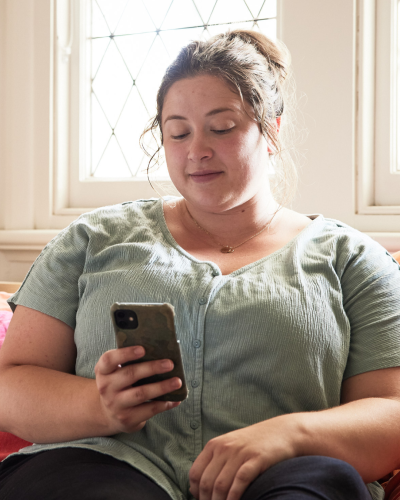
Relaxation strategies for stress during pregnancy
Want to learn how to reduce stress during pregnancy? Fortunately, there are a range of relaxation strategies that can be helpful and assist in alleviating your feelings of stress or apprehension.
Many pregnant women and their partners find that using various relaxation techniques can help to reduce levels of stress and maintain a feeling of wellbeing during pregnancy. These techniques can be undertaken for free, at any time and in any quiet space that you have to yourself. This makes them relatively easy strategies to employ if you are looking to feel more relaxed and less stressed during your pregnancy.
Some recommended techniques that women find effective during pregnancy include:
Guided muscle relaxation
This technique involves tensing and relaxing specific muscle groups around your body. This can help release the muscle tension caused by stress. It can also assist you with sleeping if you are dealing with pregnancy-related insomnia.
Breathing exercises
Become aware of your breathing. Breathing in and out deeply and evenly can ensure you have the right balance of oxygen and carbon dioxide in your system. This form of controlled breathing keeps your mind and body functioning well. It can also lower your blood pressure, promote feelings of calmness and help you to de-stress and relax.
Guided mental imagery
Close your eyes and imagine that you are in a safe, calm and relaxing place. This can be an effective way to remove yourself from current stressors in your environment and, as a result, relieve feelings of stress.
What are the best self-help strategies for relaxation?
There are many apps, websites and podcasts available to help you with these self-help strategies for relaxation.
Keep in mind though, that some of the digital tools work better for some people than others.
Don’t be surprised if it requires some trial and error to find the one that works best for you; you may indeed prefer to join a community group class.
Reduce stress during pregnancy with Ready to COPE
Women who are pregnant or have recently had a baby can receive Ready to COPE, a free guide that delivers timely information, advice and reassurance throughout pregnancy and the first year of parenthood.
