Trying to conceive

At COPE, we’re here for you from the very beginning. Access trusted guidance, expert information, and compassionate support as you navigate the journey of trying to conceive.

Coping with loss

Coping with loss is deeply personal and painful — COPE offers gentle support, guidance, and understanding to help you navigate this difficult time.

Pregnancy

Navigate your pregnancy with confidence using COPE’s expert advice, emotional support, and reliable information tailored for every step of the journey.

Birth

Providing you with evidence based information to help prepare and nurture yourself before, during and following birth

New parents

Early parenthood can be joyful, challenging and everything in between. COPE provides you with expert guidance and real insights to help you feel seen and supported every step of the way.

Family, Friends & Community

Whether you're a partner, friend, or family member, COPE provides guidance and support to help you care for your loved one and yourself through every stage of parenthood.

Workplace support

COPE provides guidance and resources to help workplaces support the emotional wellbeing of expecting and new parents with care and understanding.

COPE Directory

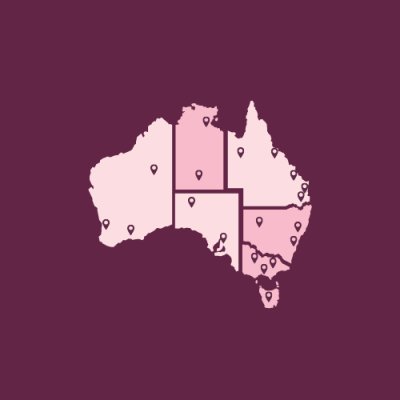
If you're going through a tough time, you're not alone. The COPE Directory is a supportive first step toward finding the right help, close to home and tailored to your needs

About us

At COPE, we believe every parent deserves access to compassionate support and reliable information. Our mission is to raise awareness, reduce stigma, and empower families facing perinatal mental health challenges.

Get involved

Your support can make a lasting impact. By donating to COPE, you help to provide vital support, resources, and research for families facing perinatal mental health challenges. Together, we can make sure no parent is alone.

Getting help

Understand when to seek help, how to take the first step of talking to someone, types of support available, plus how to find specialised perinatal mental health support near you.

What is antenatal anxiety?

While a certain amount of worry, stress and anxiety is normal when you are pregnant, if it gets to the point that it’s causing you to worry excessively on most days and significantly affect your life, it’s possible that you’re experiencing an anxiety disorder.

I didn’t know you could get anxiety during pregnancy.  Any mood swings I put down to hormones.

Anxiety disorders are the most common type of mental health problem – affecting one in four people in their lifetime.  The likelihood of developing an anxiety condition or disorder in pregnancy is increased, with estimates that up to one in five women will experience this level of anxiety in their pregnancy.  Rates are also likely to be higher amongst expectant fathers at this life stage.   

Despite being common, however, often the symptoms of antenatal anxiety are overlooked, interpreted as part of the general symptoms of pregnancy or just considered part of someone’s ‘organised personality’.

"I never really realised it before – now that I think about it, I guess I was a bit over-anxious and teary in the last few months of pregnancy.  I was happy to be pregnant and looking forward to having the baby but I was worrying about everything, from finances to the baby’s health."

As a result, often these symptoms are not recognised at the time but only in hindsight, or even following birth, when other stressors may also be impacting on your emotional wellbeing.

"It was only after the birth of my second child that I realised how unwell and how bad the anxiety was during my first pregnancy.  It really surprises me that no one picked up on it."

Some women who previously endured pregnancy loss also describe feeling anxious during subsequent pregnancies. This is completely understandable and important to discuss with your health professional as part of your antenatal care.

"I am certain my anxiety stemmed from unsuccessful pregnancies and my fear I would lose this one.  I can’t imagine I’m alone in that when there have been multiple miscarriages."

Symptoms of antenatal anxiety

  • Worrying thoughts that keep coming into your mind – like worrying that something may be wrong with your baby.
  • Panic attacks – which are outbursts of extreme fear and panic that ‘take over your body’ and feel out of control.  Sometimes this leads people to start avoiding situations for fear it may reoccur.
  • Constantly feeling restless, ‘on edge’ and irritable.
  • Feeling tense in your muscles and tight in your chest.

Some of these symptoms affect us physically (e.g. constant tension, lack of sleep, feeling restless or on edge), while others affect us mentally (e.g. having thoughts that something is wrong or something terrible is going to happen).  

In turn, these thoughts and feelings can impact on our behaviour (what we do), such as checking to seek reassurance or avoiding people or situations that have made us feel uncomfortable.  

Living with the constant symptoms and trying to manage the intrusive, anxious thoughts can be exhausting.

Anxiety self-check

Take our free and anonymous Anxiety Self-Check and download the COPE Antenatal Anxiety Fact Sheet

Why cant I get pregnant Self Checks

Types of anxiety conditions and their symptoms

There are a number of different types of anxiety conditions. Each has a different set or cluster of symptoms:

Generalised anxiety disorder (GAD)

Feeling worried about perinatal issues on most days over a long period of time (e.g., six. months). Some common topics of worrying include:
- The infant’s wellbeing, safety and possible threats (e.g., SIDS)
- Getting one’s life in order, having everything planned and sorted 
- Constant worry about how they will cope 
- Breastfeeding worries (e.g., had the baby had enough milk, will their milk supply run out)
- Keeping the household chores attended to 
- How they will manage work and parenthood 
- How to give their other children enough attention while meeting the needs of the new infant

Panic Disorder

Frequent attacks of intense feelings of anxiety that seem like they cannot be brought under control. These attacks
can occur when:
- Thinking about leaving the house with their new baby
- Attending mother's groups
- Worrying about sleep and settling issues
- When transitioning their infant to solid food (fear of choking)

Social phobia

Involves an intense fear of criticism, being embarrassed or humiliated, even in everyday situations. Some common examples in the perinatal context include:
- Invasion of their personal space
- People touching their baby
- Worries about involvement of friends and family and different opinions on baby’s needs
- Infant drawing attention to them publicly
- Worries about mother’s groups
- Worries about people judging their parenting (e.g., crying baby in supermarket)

Specific phobia

Fearful feelings about a particular object or situation. This can commonly include vomiting (babies often vomit), body changes (eating disorder traits/anxiety), death of a loved one, coprophobia.

Sometimes these symptoms can develop gradually over time or they may come on suddenly and intensely.  

As time goes on, if these symptoms are not identified or treated, they can get worse, even to the point that you cannot function, as the anxiety has in effect ‘taken over’.

People who have experienced anxiety in the past may find that their symptoms return or get worse during pregnancy.

It is only having been through postnatal depression that I realise I was very anxious and worried constantly during my pregnancy, as well.  Although I had a ‘medically’ excellent pregnancy, I never enjoyed the experience, as my mind was busy analysing and stressing about every little thing.  I am a worrier but feel that this was certainly amplified during pregnancy.  I had no understanding or idea of antenatal anxiety and depression.

Find help for antenatal anxiety on the COPE Directory

Your postcode
COPE Directory Map Support Block

Learn more about antenatal anxiety

Be safe online
Dismiss Alert

Click the Exit Site button or press "Esc" on your keyboard to exit this site quickly. Click here to learn how to keep your identity safe online.

Quick exit
Hide