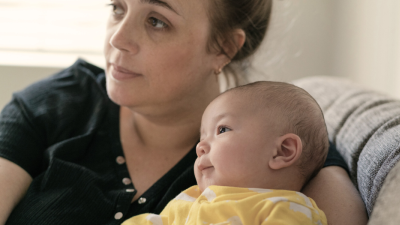
Trying to conceive

At COPE, we’re here for you from the very beginning. Access trusted guidance, expert information, and compassionate support as you navigate the journey of trying to conceive.

Coping with loss

Coping with loss is deeply personal and painful — COPE offers gentle support, guidance, and understanding to help you navigate this difficult time.

Pregnancy

Navigate your pregnancy with confidence using COPE’s expert advice, emotional support, and reliable information tailored for every step of the journey.

Birth

Providing you with evidence based information to help prepare and nurture yourself before, during and following birth

New parents

Early parenthood can be joyful, challenging and everything in between. COPE provides you with expert guidance and real insights to help you feel seen and supported every step of the way.

Family, Friends & Community

Whether you're a partner, friend, or family member, COPE provides guidance and support to help you care for your loved one and yourself through every stage of parenthood.

Workplace support

COPE provides guidance and resources to help workplaces support the emotional wellbeing of expecting and new parents with care and understanding.

COPE Directory

If you're going through a tough time, you're not alone. The COPE Directory is a supportive first step toward finding the right help, close to home and tailored to your needs

About us

At COPE, we believe every parent deserves access to compassionate support and reliable information. Our mission is to raise awareness, reduce stigma, and empower families facing perinatal mental health challenges.

Get involved

Your support can make a lasting impact. By donating to COPE, you help to provide vital support, resources, and research for families facing perinatal mental health challenges. Together, we can make sure no parent is alone.

Getting help

Understand when to seek help, how to take the first step of talking to someone, types of support available, plus how to find specialised perinatal mental health support near you.

Common signs and symptoms, assessment, management and important considerations of select PMH disorders

Derived from the National Perinatal Mental Health Guideline developed by COPE, the following sections provide information on common signs and symptoms, assessment, management and important considerations for the following perinatal mental health disorders:

Register on the COPE Directory

Register your perinatal mental health services or organisation on the COPE Directory.

FAQs

Frequently asked questions about perinatal mental health conditions

What are perinatal mental health conditions?

What are perinatal mental health conditions? 

Which perinatal mental health conditions should health professionals screen for?

Screening should consider a range of conditions that may affect women during the perinatal period, not just depression alone. The National Clinical Guideline highlights anxiety, depression, bipolar disorder and postpartum psychosis as key conditions requiring careful assessment. 

How common is perinatal anxiety in Australia?

Perinatal anxiety is common and affects around one in five women in Australia. That makes early recognition especially important in routine antenatal and postnatal care. 

Why can perinatal depression be hard to identify?

Perinatal depression is often missed because its symptoms may be mistaken for common changes in pregnancy or the demands of caring for a new baby. A structured assessment helps health professionals look beyond what may appear to be typical adjustment. 

When should perinatal mental health screening take place?

Screening is most effective when it is built into routine care during pregnancy and again after birth. Repeating assessment at key stages helps identify concerns that may emerge or change across the perinatal period. Conduct screening as early as practical in pregnancy and at least once later in pregnancy, or at any time if clinically indicated. Postpartum, conduct screening as 6–12 weeks after the birth and at least once in the first postnatal year or at any time if clinically indicated. 

What is the role of psychosocial risk assessment in perinatal care?

Psychosocial risk assessment helps identify factors that may increase the likelihood of mental health difficulties during pregnancy and after birth. Used alongside symptom screening, it gives a fuller picture of a woman’s needs and supports earlier intervention. 

What is the Edinburgh Postnatal Depression Scale (EPDS)?

The EPDS is a screening tool used to identify possible symptoms of depression and anxiety in the perinatal period. It is designed to support clinical conversations and next-step assessment rather than act as a diagnosis on its own. The EPDS can be administered manually, or digitally with the iCOPE Screening tool.  

Who may be at higher risk of bipolar disorder in the perinatal period?

Women with a family history of bipolar disorder may be at increased risk, including the possibility of a first episode during the perinatal period. This is why history-taking and risk awareness are an important part of assessment. 

What is postpartum psychosis and why is it a psychiatric emergency?

Postpartum psychosis is a rare but severe mental health disorder that can occur in the weeks or months after birth. It can pose risks to the safety of both mother and baby and requires urgent recognition, assessment and specialist support. 

What should happen if screening suggests a perinatal mental health concern?

A positive screen should lead to further clinical assessment, discussion and an appropriate care response based on the person’s needs and level of risk. The goal is timely support, not simply recording a screening score. 

Why is early identification of perinatal mental health disorders so important?

Early identification creates more opportunities to provide support before symptoms worsen or begin to affect day-to-day functioning, bonding with your baby, or overall wellbeing. It also helps health professionals make better-informed decisions about monitoring, referral and ongoing care. 

Where can health professionals find guidance on screening and assessment tools for perinatal mental health?

COPE provides guidance for health professionals on screening and assessment tools, including information linked to the National Perinatal Mental Health Guideline. That makes the page a useful starting point for understanding both common disorders and the assessment approach that supports good care. 

Be safe online
Dismiss Alert

Click the Exit Site button or press "Esc" on your keyboard to exit this site quickly. Click here to learn how to keep your identity safe online.

Quick exit
Hide