Katrina's story
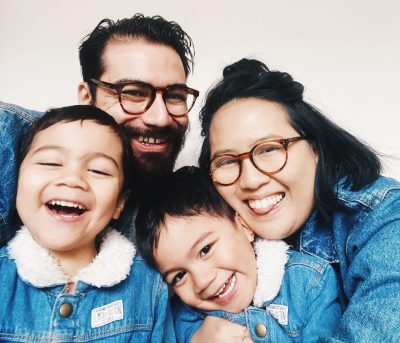
Like many other women, I was diagnosed with ADHD as an adult. For some, this means receiving the diagnosis after becoming a mother. I was about 7 years old when I had my first ADHD assessment but due to a lack of resources, my diagnosis was not formally completed, and I was left undiagnosed for over two decades.
My story
My twins were born at 33 weeks. After a few days of their admission into the NICU, I became unwell with Postpartum Psychosis. I was hyperactive, becoming an insomniac and I was overly stimulated with the demands of having sick and premature babies in hospital. Before my twins were 35 weeks, I was triaged into the Emergency Department at Westmead Hospital, where my husband was left to google my symptoms. COPE was one of the websites that he found. It helped him find some answers.
Our twins were in NICU for 7 weeks and during this time, I was admitted into hospital for 4 weeks. To this day, we wonder if my undiagnosed ADHD was the biggest contribution to my psychosis. When my husband went back to work, I suffered from Postnatal Depression. I was clinically depressed for a few months. When the first ever public Mother and Baby Unit opened at the Royal Prince Alfred Hospital, I was able to be admitted with my then 6 month old twins. Here, I received the diagnosis of Bipolar Disorder.
Accepting the diagnosis
When you first receive a diagnosis, it can come as a shock. It took me a few years to come around to the identity and symptoms of being Bipolar. After starting work with a new psychiatrist, I received my ADHD diagnosis.
I was so relieved. I had been undiagnosed for so long. It felt like I had more answers and a greater perspective on who I was and who I am.
Being neurodivergent is one thing and knowing how to live with it is another.
Parenting as a neurodivergent mum
If I’m really honest, living with a diagnosis or two, is challenging at times, particularly when you are co-regulating with your child/ren. In our family, we use music as a tool to self regulate. From the moment we all wake up we have music playing in the background. It’s a nice little slice of dopamine.
We also use art therapy to boost our mood and support our emotional needs. Talk therapy is highly valued in our family, as well as keeping to all medical regimes and self care routines. Having quiet spaces and resources to facilitate what our brains need is a must in our car and home.
Working with a Psychologist and Paediatrician over the last few months, for my firstborn has been so beneficial. We have been able to learn and discuss strategies for ADHD tendencies and how to support these. Although he is still young for the ADHD diagnosis, we continue to work with these professionals to counsel all our big thoughts and feelings.
Being a parent and being neurodivergent is something really special. You see the world and your child/ren differently.
It’s a wild ride, but your family gets to ride this with you! How lucky are we all!
Tell us about your experience
Neurodivergent individuals can experience unique challenges in pregnancy, childbirth and early parenthood.
Completing this short, anonymous survey will help provide COPE with valuable insights to educate health professionals and support others.