Unfortunately, childbirth doesn’t always go to plan, or as we may have hoped for.
Birth trauma
Recovering from a traumatic birth can take time but supports are available to help you recover from birth trauma.
At COPE, we’re here for you from the very beginning. Access trusted guidance, expert information, and compassionate support as you navigate the journey of trying to conceive.
Coping with loss is deeply personal and painful — COPE offers gentle support, guidance, and understanding to help you navigate this difficult time.
Navigate your pregnancy with confidence using COPE’s expert advice, emotional support, and reliable information tailored for every step of the journey.
Providing you with evidence based information to help prepare and nurture yourself before, during and following birth
Early parenthood can be joyful, challenging and everything in between. COPE provides you with expert guidance and real insights to help you feel seen and supported every step of the way.
Whether you're a partner, friend, or family member, COPE provides guidance and support to help you care for your loved one and yourself through every stage of parenthood.
COPE provides guidance and resources to help workplaces support the emotional wellbeing of expecting and new parents with care and understanding.
COPE offers tools, training, and resources to support health professionals in providing compassionate, evidence-based care to expecting and new parents.
If you're going through a tough time, you're not alone. The COPE Directory is a supportive first step toward finding the right help, close to home and tailored to your needs
At COPE, we believe every parent deserves access to compassionate support and reliable information. Our mission is to raise awareness, reduce stigma, and empower families facing perinatal mental health challenges.
Your support can make a lasting impact. By donating to COPE, you help to provide vital support, resources, and research for families facing perinatal mental health challenges. Together, we can make sure no parent is alone.
Understand when to seek help, how to take the first step of talking to someone, types of support available, plus how to find specialised perinatal mental health support near you.
Unfortunately, childbirth doesn’t always go to plan, or as we may have hoped for.
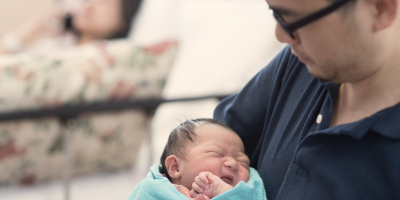
Unfortunately, childbirth doesn’t always go as we may have hoped for or expected. This can leave many parents feeling depleted, disappointed and in need of support.
“After all the anguish (of the birth) we had suffered, there was no happiness; I just felt cheated and bitter. The baby in my hands was something I had been waiting all this time for, but now he was here, I couldn’t bring myself to feel anything for him.”
Mark Williams
In some cases, the birth event may have been quite dramatic.
There may have been complications in the pregnancy or at the time of birth, and/or unplanned medical intervention may have been required. The baby may have arrived early or late. It may have been necessary for the baby to be taken into a special care nursery or taken away for tests – leaving you feeling confused and vulnerable and concerned for their welfare. Some parents may, for various reasons end up leaving the hospital without their baby, if they require ongoing medical attention.
Trauma can occur without such an eventful birth too. You may have found yourself feeling powerless, out of control. You may have felt that your needs were not met, and that you needed more support than you received. This could have been at the time of the birth itself or relate to the care you received afterwards.
I felt so helpless and anxious. You don’t know what is happening and we were pushed towards an ending where we didn’t know what the outcome would be. I was in the background trying to help her (my wife) and didn’t realise what I was going through at the same time … It was a shock seeing someone you love being put through pain and torture.
These feelings may linger and become more intense. They may also be compounded by additional feelings of shock, frustration, disappointment and/or grief.
If your birth experience has left you feeling distressed – you are not alone.
Take our free and anonymous Birth Trauma Self-Check and download the COPE Birth Trauma Fact Sheet

Following a negative experience, you may find yourself feeling a range of emotions including shock, numbness, anxiety, anger, guilt, disappointment or resentment. Some parents describe feeling alone or isolated.
Due to having intervention at the end of labour, I think I was in shock and this needed to be addressed and discussed with me. I remember walking around for the first month feeling like I’d been hit by a bus and kept asking myself what happened?
Following a difficult birth some people report difficulties bonding with their baby and wanting to avoid any personal contact or intimacy. Reflecting on the birth and/or talking about what happened can also be highly distressing. As a result, you may find yourself avoiding thinking or talking about your birth to avoid reliving the experience.
It's important to recognise and acknowledge your emotions. Let yourself feel whatever you feel and try to be kind to yourself.
A traumatic birth experience can greatly affect either partner, depending on their individual reactions to the experience. Both parents deserve support and help from extended family and friends. Even if your partner was in the room at the time, you may feel very differently to them about the experience. Sometimes, a partner may not be able initially to fully understand your feelings and process what you’ve gone through, as well as what they may have witnessed.
We all cope with situations differently and there's no wrong or right way to go about recovering from your experience.
Strategies that may be helpful to assist you to recover at this time
Recovering from a traumatic birth can take time but supports are available to help you recover from birth trauma.
Post traumatic stress disorder (PTSD) following birth can develop if you have personally experienced or witnessed a traumatic birth event.
This questionnaire asks about your experience during the birth of your most recent baby.
Rachel and her partner Jason spoke candidly about their traumatic first birth experience in our YouTube and podcast series The Mum Drum.

Click the Exit Site button or press "Esc" on your keyboard to exit this site quickly. Click here to learn how to keep your identity safe online.