When can postpartum rage occur?
While it’s unclear just how many mothers and fathers experience postpartum rage due to the fact that it’s often not reported or measured during screening, recent research of new mothers has shown that anger can occur at the same time as postnatal depression.
During what we sometimes call the “fourth trimester”, postpartum frustration or anger can be directed towards children, family members (usually our partners!) and at ourselves. Understandably, this can have a negative effect on our relationships. It can also negatively impact our experience and enjoyment of parenthood.
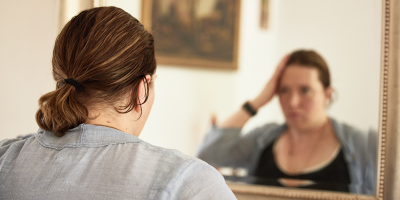
Postpartum rage can be scary, overwhelming and cause a significant amount of guilt and shame. Some mothers may feel guilty for getting angry with their baby, or for experiencing postpartum resentment towards their husband.
Many mothers describe postpartum rage as coming from nowhere and feeling shaken and upset afterwards. Episodes can also reinforce feelings of failure or not living up to societies ideal of the “perfect mother.”
While sleep-deprivation and hormonal fluctuations can test even the most patient amongst us, feelings of powerlessness, a mismatch between what we expected motherhood to be like and the reality, as well not having enough support from partners, family and even health professionals, can all contribute to intense feelings of rage.