Trying to conceive

At COPE, we’re here for you from the very beginning. Access trusted guidance, expert information, and compassionate support as you navigate the journey of trying to conceive.

Coping with loss

Coping with loss is deeply personal and painful — COPE offers gentle support, guidance, and understanding to help you navigate this difficult time.

Pregnancy

Navigate your pregnancy with confidence using COPE’s expert advice, emotional support, and reliable information tailored for every step of the journey.

Birth

Providing you with evidence based information to help prepare and nurture yourself before, during and following birth

New parents

Early parenthood can be joyful, challenging and everything in between. COPE provides you with expert guidance and real insights to help you feel seen and supported every step of the way.

Family, Friends & Community

Whether you're a partner, friend, or family member, COPE provides guidance and support to help you care for your loved one and yourself through every stage of parenthood.

Workplace support

COPE provides guidance and resources to help workplaces support the emotional wellbeing of expecting and new parents with care and understanding.

COPE Directory

If you're going through a tough time, you're not alone. The COPE Directory is a supportive first step toward finding the right help, close to home and tailored to your needs

About us

At COPE, we believe every parent deserves access to compassionate support and reliable information. Our mission is to raise awareness, reduce stigma, and empower families facing perinatal mental health challenges.

Get involved

Your support can make a lasting impact. By donating to COPE, you help to provide vital support, resources, and research for families facing perinatal mental health challenges. Together, we can make sure no parent is alone.

Getting help

Understand when to seek help, how to take the first step of talking to someone, types of support available, plus how to find specialised perinatal mental health support near you.

Your postpartum body soon after birth

Like many other stages in the perinatal journey, there’s great variation in how our bodies physically adjust to pregnancy. This is also true of postnatal body changes that happen weeks, months and even years after giving birth.

Our postpartum bodies can take some time to adjust. It is important to go gently and to be kind to yourself as you recover both physically and emotionally from your birth. 

Here are some common experiences reported by new mums:

  • Feeling pride for what their body has achieved while also not feeling comfortable in their skin
  • Grief for their pre-baby body
  • Not feeling as if their body "belongs" to them anymore
  • Feeling insecure when comparing their bodies to new mothers online or in their mothers' groups or friend circle.
  • Torn between wanting to prioritise their own needs and the demands of caring for their babies.

Your body may feel turned inside out and no longer yours… it will be.  

Karen Miles

Try not to place too much pressure or expectations on yourself and how you look. Of course, in today’s society where mothers face extreme pressure to “bounce back”  this can be easier said than done. 

Remember, however, that much of what you see on social media isn’t reality – and many celebrities have a support system of chefs, personal trainers and nannies.

Need some help with adjusting to parenthood?

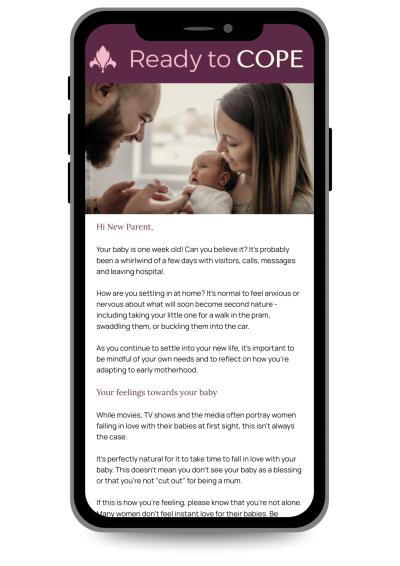
Now is a great time to sign up to Ready to COPE and receive timely, supportive advice.

This free, weekly guide will help you stay informed and feel reassured during your first year of parenthood, and is available for mums, dads, and non-birthing parents.

Ready to COPE guide new parents

Your postpartum body in the months following birth

Adjusting to parenthood often results in changes to your usual patterns of eating, sleeping and leisure time – as well as most other facets of life! You may find yourself eating more, due to there being less structure in your day. Others may turn to comfort-eating. For some, the stress and demands of parenthood can mean skipping meals as there’s less time to eat properly. Breastfeeding can also impact women differently, leading to weight loss in many women but not in others.

"I lost a lot of weight while breastfeeding – too much! I wasn’t expecting that. I had to focus on eating well so I didn’t become too thin."

As a result, while some people may remain similar in size and/or shape after pregnancy and having a baby, others may experience significant weight loss or weight gain. These changes to our bodies and body image can impact our energy levels and self-esteem.

There are many things we can do to look after ourselves during and after pregnancy. In particular, this includes eating well and exercising if you feel able to – both of which are great not only for our energy levels and self-esteem, but also for the prevention and even treatment of mild postnatal depression.

"On the days I felt down about my stretch marks or saggy boobs, I tried to remember the amazing things my body had done to give me my beautiful baby. It wasn’t always easy though."

For many parents, however, depending on your other commitments, priorities and available time and resources – this may not be possible, nor your highest priority. And that’s completely okay.

Adjusting to your postpartum body is likely to require some level of self-acceptance as there may be short, medium- or long-term changes in the way your body looks and feels.

While your body may not feel like yours, in time it will. 
My advice would be to follow body positive accounts on social media that show different pregnancy and postnatal bodies. I wish I’d been more prepared for what my body would look like after having a baby.

Kate

Finding help for postnatal body changes

For some women, body changes after birth can have a significant impact on their wellbeing and mood. If you’re struggling, please know that you’re not alone and help is available.

You can find a health professional skilled in the treatment of body image concerns on the COPE Directory.

Find help and support near you

Your postcode
COPE Directory Map Support Block

The truth about body image and pregnancy - Jade's story

"I didn’t look like a pregnant person until right at the end. My stomach wasn’t a nice shape – it was still lumpy and bumpy. I was quite self-conscious about the way I looked.”

Read Jade's story
The truth about anxiety and depression when having a baby Jades story C

Other uncomfortable feelings and expectations

Newborn baby and adjusting to parenthood

Be safe online
Dismiss Alert

Click the Exit Site button or press "Esc" on your keyboard to exit this site quickly. Click here to learn how to keep your identity safe online.

Quick exit
Hide