Trying to conceive

At COPE, we’re here for you from the very beginning. Access trusted guidance, expert information, and compassionate support as you navigate the journey of trying to conceive.

Coping with loss

Coping with loss is deeply personal and painful — COPE offers gentle support, guidance, and understanding to help you navigate this difficult time.

Pregnancy

Navigate your pregnancy with confidence using COPE’s expert advice, emotional support, and reliable information tailored for every step of the journey.

Birth

Providing you with evidence based information to help prepare and nurture yourself before, during and following birth

New parents

Early parenthood can be joyful, challenging and everything in between. COPE provides you with expert guidance and real insights to help you feel seen and supported every step of the way.

Family, Friends & Community

Whether you're a partner, friend, or family member, COPE provides guidance and support to help you care for your loved one and yourself through every stage of parenthood.

Workplace support

COPE provides guidance and resources to help workplaces support the emotional wellbeing of expecting and new parents with care and understanding.

COPE Directory

If you're going through a tough time, you're not alone. The COPE Directory is a supportive first step toward finding the right help, close to home and tailored to your needs

About us

At COPE, we believe every parent deserves access to compassionate support and reliable information. Our mission is to raise awareness, reduce stigma, and empower families facing perinatal mental health challenges.

Get involved

Your support can make a lasting impact. By donating to COPE, you help to provide vital support, resources, and research for families facing perinatal mental health challenges. Together, we can make sure no parent is alone.

Getting help

Understand when to seek help, how to take the first step of talking to someone, types of support available, plus how to find specialised perinatal mental health support near you.

What may cause new or expectant parents to experience shame or stigma

It is common to hold high expectations about what pregnancy and having a baby might be like.  After all, if it is your first baby, there is no reference point – other than what you might hear from others, or the advertising you see around you – showing beautiful images of parents and their babies. 

When our reality of pregnancy or becoming a parent does not meet our expectations, it is easy to feel like you are failing. 

New parents often try to hide from others that they may be struggling to cope, due to feelings of failure, shame, or for fear of judgement from others.
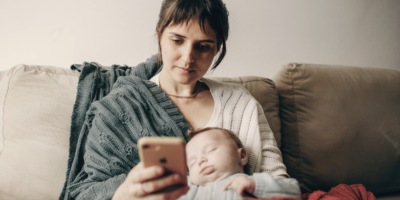
I felt so ashamed.  Why couldn’t I do this?  Everyone around me seem to be doing so well at this motherhood gig but I was really struggling.

Stigma and mental health

Feelings of shame and what we call stigma, also applies to mental health.  Here people are often afraid to tell others that they may be experiencing a mental health condition, for fear of what other may think of them as a person, or that they may be judged as being a bad mother, father or a failure. 

Stigma prevents help-seeking 

We know that stigma prevents people from seeking the help they need early.  In fact, COPE research has revealed that 74 per cent of women experiencing anxiety or depression in pregnancy or after birth, did not seek help until they reached crisis point.

COPE’s research has found that one of the reasons parents don’t seek help for their mental health is due to the shame and stigma that often surrounds these conditions. Here, people may feel embarrassed to talk about what and how they are feeling, for fear it may not be understood by others or for fear of being judged. 

Dr Nicole Highet

Stigma and motherhood

Stigma around perinatal mental health issues may be different to stigma relating to other mental health issues because of the way it is linked to maternal identity or being a mother. As well as being concerned about facing stigma from friends, family and health professionals, women may also experience internal stigma, considering themselves a “failure” or “bad mother” for not meeting their own expectations about motherhood.

There is a widespread belief that motherhood brings happiness and excitement and that everything is easy or not very difficult. So, speaking about mental health problems in this period is much harder because the judgement is always much harsher. The subject of mental health in this period is silenced to a great extent, but we cannot act as if these illnesses did not exist.

Dr. Alba Roca

Stay informed and feel reassured

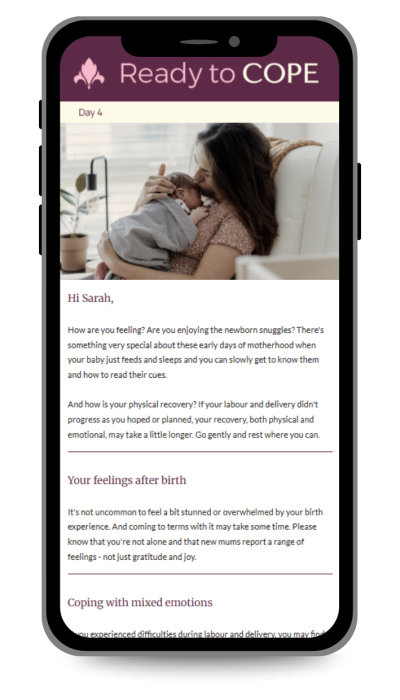
Now is a great time to sign up to Ready to COPE. 

This free, weekly email guide will help you stay informed and feel reassured during your first year of parenthood, and is available for mums, dads, and non-birthing parents.

Ready to COPE Postnatal Mums

Stigma faced by fathers and partners

Fathers and partners in particular may avoid speaking out about their experiences or seeking help early, as they feel that they need to stay strong to support their partner, and “hold it all together.” This only places greater pressure on dads and partners and delays them accessing the support they may need. 

Additionally, many in the community may not be aware that mental health issues can impact fathers and partners or may not believe they can be affected. This can make speaking up even more challenging.

Coping with stigma

  • Remember, you can be a good parent and have a mental illness. Don’t let stigma stop you from receiving the treatment you need and deserve.
  • 1 in 5 people are affected by perinatal mental health issues — these issues are common, and you are not alone. There’s a good chance you will know someone else who has experienced a perinatal mental health condition, or supported a friend or family member through something similar.
  • Try not to isolate yourself. If you’re experiencing a mental illness, shame and guilt can result in wanting to hide away from your supports. This can compound how you’re feeling. Reach out to those you trust or find a support group for others going through a similar journey.
  • If you feel able to, share your story. Sharing your own challenges and experiences during pregnancy or after having a baby can help others feel safer and more empowered to seek help. It also helps to educate those in the community who may not be aware of just how difficult parenthood can be or the facts around mental illness during this life-stage.

Find help and support on the COPE Directory

Your postcode
COPE Directory Map Support Block

The impact of shame and stigma - Nia's story

"I was ashamed that I couldn’t cope, and I wanted to be seen as a good mother and just to fit in with everyone else and I clearly didn’t."

Read Nia's story
The impact of shame and stigma Nias Story

Other uncomfortable feelings and expectations

Newborn baby and adjusting to parenthood

Be safe online
Dismiss Alert

Click the Exit Site button or press "Esc" on your keyboard to exit this site quickly. Click here to learn how to keep your identity safe online.

Quick exit
Hide